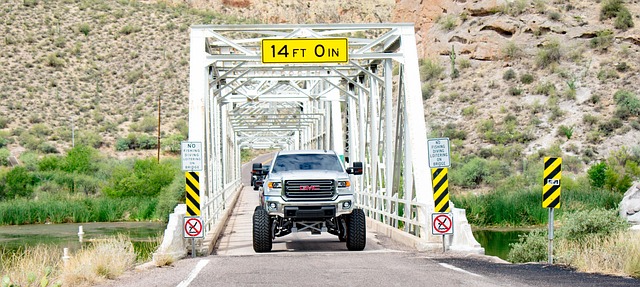
This guide explores essential fleet maintenance practices tailored to Brownsville, Texas truck operators. From routine inspections to specialized accessories, discover strategies to extend vehicle lifespan, enhance performance, and optimize operational costs for your fleet.
Brownsville Texas Fleet Truck Accessories & Maintenance: A Comprehensive Guide
Brownville, Texas, with its vibrant economy and bustling transportation networks, demands robust and efficient fleet operations. This comprehensive guide delves into the best practices for maintaining your fleet trucks, leveraging specialized accessories, and ensuring optimal performance in the unique conditions of South Texas.
I. Understanding Brownsville’s Unique Challenges for Fleet Maintenance
Brownville faces distinct challenges that necessitate tailored fleet maintenance strategies:
Climate Extremes:
The region experiences hot, humid summers and mild winters, subjecting trucks to year-round temperature fluctuations that can stress components.
Arid Environment:
Low humidity contributes to faster wear on brakes, tires, and other parts. Dust and debris prevalent in the area require more frequent cleaning and lubrication.
Long Hauling Distances:
Many Brownsville fleets engage in long-haul operations, placing increased demands on vehicles and necessitating stringent maintenance routines.
Brownville Texas fleet Truck accessories designed to mitigate these challenges play a vital role in keeping your trucks running strong. Let’s explore the key areas for focus:
II. Essential Fleet Maintenance Tips for Brownsville, TX
Implementing rigorous maintenance schedules and utilizing appropriate Brownsville Texas fleet truck accessories is crucial for keeping your vehicles operational and cost-effective. Here are some top recommendations:
A. Routine Inspections & Preventive Maintenance:
-
Daily Checks: Conduct a brief pre-trip inspection daily to identify potential issues, including tire pressure, fluid levels, lights, wipers, and belts.
-
Scheduled Services: Adhere to manufacturer-recommended service intervals for oil changes, filter replacements, brake inspections, and transmission services.
-
Underbody Washes: Regularly wash undercarries to remove salt, mud, and debris that can contribute to rust and damage.
B. Focus on Critical Systems:
Given the demanding conditions, prioritize maintenance for these essential systems:
-
Engine & Transmission: Ensure regular oil changes, coolant checks, and transmission fluid levels. These components are vital for power and efficiency.
-
Brakes: Inspect brakes regularly due to the arid climate. Replace worn pads and rotors promptly to ensure safe stopping distances.
-
Tires: Monitor tire pressure closely and rotate tires at least every 5,000 miles or as recommended by the manufacturer. Consider high-quality tires designed for long-haul applications.
-
Air Conditioning & Heating: Regularly service A/C and heating systems to maintain driver comfort year-round.
C. Engine Cooling & Protection:
-
Radiator Maintenance: Inspect radiators for leaks, corrosion, and debris buildup. Ensure proper antifreeze levels.
-
Coolant Fluids: Use the recommended coolant type and change it according to the manufacturer’s schedule.
-
Exhaust System Inspection: Check for damage, leaks, or loose connections in the exhaust system to prevent power loss and potential safety hazards.
D. Electrical Systems & Lighting:
-
Battery Maintenance: Test batteries regularly and top up electrolyte levels as needed. Replace worn-out batteries before they leave you stranded.
-
Light Bulbs: Check all exterior lights daily, including headlights, taillights, turn signals, and emergency lights. Replace burnt-out bulbs promptly for safety and visibility.
III. Brownsville Texas Fleet Truck Accessories: Enhancing Performance & Durability
The right Brownsville Texas fleet truck accessories can significantly improve your vehicles’ performance, comfort, and longevity in this demanding environment:
A. Engine Protection:
-
Radiator Guards: Install guards to protect radiators from debris and rock chips, preventing costly damage.
-
Engine Covers: Heavy-duty engine covers shield sensitive components from dust, heat, and insects.
-
Oil Coolers: Consider oil coolers for extreme temperatures to maintain optimal engine oil temperature and reduce wear.
B. Tire & Wheel Protection:
-
Tire Pressure Monitoring Systems (TPMS): These systems alert drivers to low tire pressure, helping to prevent flat tires and improve fuel economy.
-
Alloy Wheels: High-quality alloy wheels offer better corrosion resistance than steel, reducing maintenance needs.
-
Wheel Covers: Protect wheels from salt, mud, and debris, prolonging their life.
C. Comfort & Convenience:
-
Climate Control Upgrades: Invest in more powerful A/C units or heaters for improved passenger comfort during extreme temperatures.
-
Upgraded Seating: Provide drivers with high-quality seats that offer lumbar support and are durable enough to withstand long hours on the road.
-
In-Cab Entertainment Systems: Keep drivers entertained and engaged with up-to-date audio/visual systems, reducing fatigue on long hauls.
D. Safety Features:
-
Backup Cameras: Enhance safety by providing a clear view behind the vehicle during reverse parking or backing up trailers.
-
Parking Sensors: These sensors alert drivers to nearby obstacles, preventing accidents in tight spaces.
-
Emergency Tool Kits: Keep well-stocked kits in each truck with essentials like jumper cables, tire repair tools, and a first aid kit.
IV. Building a Strong Maintenance Program
A successful fleet maintenance program combines proactive measures, regular inspections, and strategic use of accessories:
-
Document Everything: Maintain detailed records of all maintenance activities, including service dates, repairs, and accessory installations.
-
Train Your Drivers: Educate drivers on basic vehicle inspections, safety practices, and the importance of following maintenance schedules.
-
Choose Reputable Service Providers: Select qualified mechanics and repair shops with experience serving Brownsville fleets to ensure high-quality work.
-
Implement Digital Tracking: Utilize fleet management software to monitor vehicle location, maintenance schedules, fuel consumption, and driver behavior for data-driven insights.
-
Regularly Review & Adjust: Periodically assess your maintenance program’s effectiveness, incorporating feedback from drivers and analyzing repair trends to continuously improve efficiency.
Frequently Asked Questions
1. How often should I change my truck’s oil in the Brownsville climate?
Brownsville’s hot, humid conditions can accelerate engine wear. Follow the manufacturer’s recommendation, typically every 3,000 to 5,000 miles or three months, whichever comes first.
2. Are there specific tires better suited for long-haul trucking in Texas?
Absolutely. Opt for high-quality, long-haul tires designed for heavy-duty use and superior tread life. Look for models with good traction and resistance to uneven wear.
3. How can I prevent rust on my truck’s undercarriage?
Regular washes with a quality underbody cleaner and regular inspections for signs of corrosion are essential. Consider applying an undercoating for added protection.
4. What are some cost-effective ways to keep my fleet trucks running smoothly?
Implementing preventive maintenance, using Brownsville Texas fleet truck accessories for protection, and training drivers on basic upkeep can significantly reduce long-term costs. Regularly reviewing your maintenance program and staying up-to-date with industry best practices is also crucial.
Conclusion:
Maintaining a fleet of trucks in Brownsville, Texas requires a proactive approach that combines thorough inspections, regular service, and strategic accessory choices. By following the guidelines outlined in this article, you can extend vehicle lifespans, minimize downtime, and ensure your fleet operates safely, efficiently, and profitably.